Blog ·
Surviving a Long-Distance Move: A Practical Guide
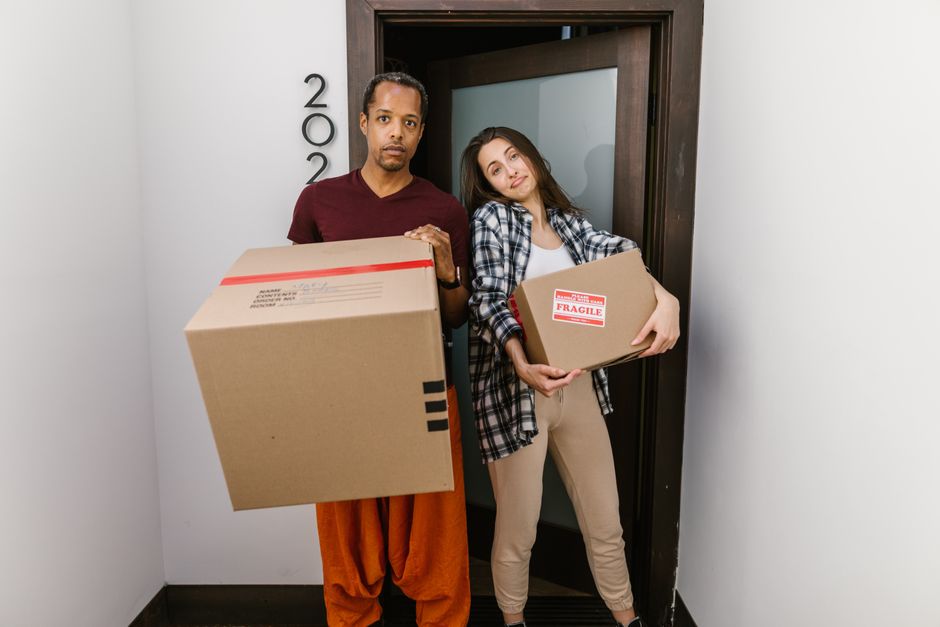
A long-distance move presents unique challenges that differ significantly from local relocations. Understanding these challenges and planning accordingly will help you navigate the experience with confidence and reduce unnecessary stress.
Long-distance moves require more detailed planning than local moves. Begin by researching your destination. Learn about the climate, local customs, and differences between your current location and new home. Understanding what to expect helps you pack appropriately and mentally prepare for the transition.
One of the most important decisions for a long-distance move is determining what to transport and what to leave behind. Moving large, heavy furniture across great distances significantly increases your expenses. Evaluate each piece of furniture and consider whether it makes sense to transport it or purchase replacements in your new location. Clothing appropriate for a different climate might need adjustment.
Create a detailed timeline for your long-distance move. Long-distance relocations require more lead time for preparation. Start planning several weeks or months in advance. This extended timeline allows you to gradually sort, pack, and organize your belongings without rushing.
Establish a communication plan with your moving service provider. For long-distance moves, clear communication is essential. Confirm the pickup date, approximate delivery window, any stops along the route, and how you'll be notified of progress. Understand the terms regarding storage if your items won't be immediately available at your destination.
Consider the condition of your vehicle if you're driving to your new location. A long-distance drive requires vehicle maintenance checks, fuel planning, and rest breaks. Don't underestimate how exhausting long-distance driving can be—allow extra time for your journey.
Plan accommodations if your belongings and your arrival won't coincide perfectly. Research hotels or temporary housing options near your new home. Some situations require temporary living arrangements until your belongings arrive and you've settled in.
Photograph all valuable items before the move. Documentation is especially important for long-distance relocations where items are out of your sight for extended periods. Photos provide proof of condition if damage occurs during transport.
Stay organized by maintaining copies of all moving-related documents. Keep copies of inventory lists, contracts, communication records, and tracking information in one accessible location. Digital backups are helpful for long-distance moves.
Keep important items with you during a long-distance move rather than packing them. Medications, legal documents, jewelry, and irreplaceable items should travel with you, not in the moving truck.
Prepare your new home before arrival. Arrange for utilities to be active, confirm that accommodations are ready, and notify relevant services of your new address.
Long-distance moves require patience and thorough planning, but these efforts result in a significantly smoother transition to your new home.